2026-06-25
A Structural Evolution Driven by User Ergonomics and Engineering Excellence
Daily kitchen activities frequently reveal structural inefficiencies within traditional cabinetry, particularly regarding standard dishware storage. During peak morning routines, navigating deeply integrated base cabinets creates recurring physical friction. Standard deep drawers necessitate constant bending, reaching, and shifting of forward items to access components placed near the back panel. Stacking dinnerware vertically in unconfigured spaces forces users to lift multiple heavy plates to retrieve a single baseline dish, interrupting the workflow of food preparation.
To address these capacity constraints, double-layer pull-out storage systems emerged in modern kitchen architecture. While adding an internal secondary layer effectively doubles the theoretical surface area, practical application has remained problematic. Conventional secondary tiers create permanent visual and physical blockages over the base level. Items located in the deeper sections of the lower drawer remain obscured, forcing users to operate with limited visibility and compromised efficiency. This fundamental layout flaw highlights an industry-wide engineering challenge: developing a multi-tiered storage architecture that optimizes spatial density without compromising real-time accessibility.
Standard single-tier deep drawers or ordinary double drawers force a strict trade-off between volume and visibility. The permanent positioning of an upper drawer section directly obscures the lower storage field. To retrieve an item from the lower level, users must bend completely down or manually manipulate the upper framework. This multi-step interaction disrupts culinary workflows and introduces persistent physical strain over extended periods of use.
Traditional storage layouts struggle to effectively capture the vertical volume available within standard base cabinets, leaving significant upper clearance unutilized. Without dedicated structural partitions, diverse kitchenware elements—ranging from standard bowls to oversized platters—are piled together haphazardly. This lack of organization increases retrieval times and creates operational hazards. Standard slides lack adequate stability mechanisms, resulting in pronounced lateral shifting, rattling, and potential porcelain damage during rapid drawer opening or closing.
Heavy, uneven weight distributions place intense stress on conventional cabinet hardware. Over extended deployment, standard runner systems frequently suffer from structural sagging, misalignment, and increased friction, leading to rough operation or complete mechanical failure. Furthermore, retrofitting these traditional storage components into existing cabinetry involves intricate tracking adjustments and complex alignment processes, presenting a high barrier for homeowners seeking standard kitchen upgrades.
In response to these spatial challenges, the kitchen hardware sector has introduced various multi-tiered configurations designed to maximize vertical volume and separate storage zones.
|
Storage Configuration |
Primary Multi-Tier Approach |
Unresolved Functional Limitations |
|
Standard Stacked Drawers |
Splits vertical space into independent, stacked internal runner units. |
Upper tiers create a permanent physical block; requires multi-step pulling motions to access the base level. |
|
Side-Pull Tiered Baskets |
Utilizes a single tall vertical frame mounted to a side-running slide mechanism. |
Concentrates total weight on a single lateral plane, increasing the risk of structural tilting and operational noise under heavy loads. |
|
Rotational Carousel Units |
Employs center-axis pivoting trays to utilize deep corner cabinet volumes. |
The circular tray profile leaves perimeter corners empty, resulting in sub-optimal spatial efficiency. |
|
Fixed Internal Shelving |
Divides cabinet depth using stationary horizontal wooden or composite dividers. |
Provides no forward movement; items stored near the back remain physically inaccessible without removing front items. |
A critical analysis reveals that many contemporary multi-tier modifications focus on basic compartmentalization rather than fundamental ergonomic innovation. Merely adding intermediate layers introduces new physical obstacles if the primary pathways of user access are not structurally reimagined. When a secondary tray remains locked in a static position over the primary storage space, it forces the user to navigate around it, sacrificing speed for capacity. True innovation demands a dynamic architectural shift that unifies total spatial density with unhindered, fluid movement.
To overcome these long-standing industry limitations, advanced engineering must move beyond simple vertical partitioning. The DTC Axera Modulo Ultra luxury dish pull-out basket addresses this challenge by completely redesigning spatial interaction within the cabinet. Featuring an innovative L-shaped inner drawer configuration, this system introduces a sophisticated physical layout that eliminates the historic conflict between multi-tier capacity and immediate access, earning the prestigious 2026 German Red Dot Design Award.
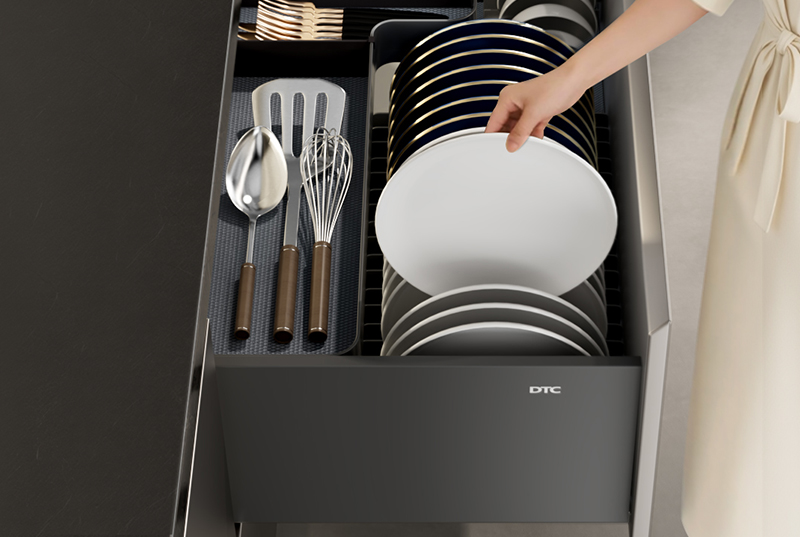
Figure 1: The premium engineering profile of the DTC Axera Modulo Ultra, highlighting advanced multi-tier organization. For comprehensive technical specifications, view the official documentation at https://www.dtcdtc.com/product/axera-modulo.html.
The L-Shaped Inner Drawer Innovation
The primary advancement of this system centers on an upper L-shaped tray engineered to slide independently along the horizontal plane. This design directly resolves the problem of upper-tier blockage that compromises standard double-layer systems. When the upper tray is pushed toward the rear panel, the lower dish storage section opens completely, providing unobstructed visibility and direct access to deeper contents without requiring users to lean forward. Conversely, drawing the upper tray forward isolates the specialized cutlery zone into an independent, front-facing workstation. This allows users to access both tiers simultaneously without structural interference, establishing a new benchmark for premium kitchen cabinet efficiency.
Tool-Free Reconfiguration and Spatial Adaptation
Kitchen storage requirements naturally shift over time, demanding flexible hardware solutions. The upper L-shaped tray incorporates a precise, tool-free quick-release tracking mechanism, allowing users to remove the top tier instantly. This action transforms the assembly into a single-tier deep cargo unit capable of holding large cookware or facilitating thorough deep cleaning. To ensure seamless alignment with surrounding cabinetry, the integrated drawer front supports multi-directional micro-adjustments across vertical, horizontal, and tilt axes using a single standard screwdriver. Unified mounting coordinates ensure compatibility with standard modular cabinetry, drastically lowering the technical requirements for upgrading older kitchen layouts.
Scientific Zonal Partitioning Matrix
The interior architecture organizes storage into five dedicated functional modules to maximize safety and efficiency:
High-Performance Mechanical Engineering
Long-term operational reliability depends entirely on underlying mechanical engineering. The system is equipped with proprietary heavy-duty synchronized silent slides certified by Germany’s rigorous LGA quality testing network. Supporting a continuous dynamic load capacity of 40 kilograms, the runner assembly is rated for 80,000 operational cycles—representing over twenty years of continuous service under standard household conditions. Integrated fluid damping technology governs the closing sequence, ensuring smooth deceleration to eliminate bounce-back and protect delicate glassware from kinetic shock.
5. The Engineering Foundation of Dongtai Hardware
The operational capabilities of this system reflect the deep manufacturing expertise of its parent organization, DTC Dongtai Hardware. Rather than treating functional components as isolated products, the organization leverages a 35-year history of foundational hardware manufacturing to deliver highly cohesive, integrated kitchen solutions.
Since its founding in 1991, the enterprise has focused on technological advancement and precise structural engineering, evolving into a premier global supplier of home hardware solutions. Operating a state-of-the-art 750,000 square meter digitized production facility, the company maintains absolute quality control by managing all processes in-house, from raw steel processing and precision stamping to advanced electroplating and automated final assembly. A dedicated team of over 300 specialized research and development engineers works within a National Engineering Technology Research Center, securing an international intellectual property portfolio of over 1,300 active patents, including approximately 700 independent invention honors.
This technical foundation directly enhances consumer-facing products. The advanced synchronized runners, specialized anti-corrosion surfaces, and smooth motion characteristics found in premium storage systems are derived from decades of high-volume manufacturing experience in precision hinges and industrial drawer slides. Every component undergoes rigorous assessment within a CNAS-accredited national laboratory, verifying compliance with international performance metrics including German TÜV Rheinland certifications, American BHMA standards, and European Union EN compliance protocols. This unwavering commitment to production quality has established the organization as a trusted, long-term strategic manufacturing partner for leading global home brands, including IKEA, Oppein, and Sophia.
6. Strategic Trends in Premium Kitchen Organization
Modern residential architecture places increasing emphasis on optimizing interior storage spaces. Simply increasing raw storage volume by adding standard shelving or basic drawers no longer satisfies the refined demands of high-end kitchen design. Effective space optimization must prioritize real-world human movement patterns, treating the physical user journey as the primary foundation for structural engineering.
By designing hardware around natural human kinetics, contemporary systems eliminate unnecessary steps, reduce physical fatigue, and maintain a highly organized workspace. The integration of adaptive layouts—such as shifting tiers, tool-free modular configurations, and precise soft-closing motion profiles—shifts the focus of kitchen design from basic storage capacity to active lifestyle enhancement. This user-centric philosophy resolves the age-old tension between high-density storage and effortless item retrieval, charting a clear course for the future of premium residential cabinet design.
7. Conclusion
The DTC Axera Modulo Ultra establishes a new benchmark for modern kitchen organization by pairing an innovative L-shaped sliding drawer configuration with customizable interior layouts. This award-winning system reflects the manufacturing precision and advanced engineering capabilities of DTC Dongtai Hardware. Incorporating 35 years of industrial research, automated production scales, and rigorous international quality testing, the brand delivers reliable performance that transforms kitchen storage from a daily chore into a smooth, elevated experience.