2026-08-31
Drawer slide load capacity is one of the most searched hardware topics, but it is often misunderstood. Many buyers assume that choosing the highest possible load rating is always safest. In reality, smart selection is about matching the slide system to the drawer's real job. Underspecifying capacity can cause sagging, rough motion, or premature wear. Overspecifying it can increase hardware cost without improving the user experience in a meaningful way.

The best approach is to think in real furniture categories: light-duty storage, mid-duty daily use, and heavy-duty or wide-drawer applications. Once the intended load and usage pattern are clear, the correct slide type becomes easier to identify.
In drawer hardware, load capacity refers to the weight a slide system can support while still operating in a controlled way during normal movement. That last point matters. The question is not whether the drawer can physically hold the items once. The question is whether it can repeatedly open and close with stability under realistic use conditions.
This is why capacity should always be considered together with drawer width, extension length, usage frequency, and loading pattern. A narrow office drawer holding stationery is very different from a wide kitchen drawer carrying cookware or a luxury drawer system supporting a deep organizational layout.
Light-duty drawers typically fall into a range such as bedside tables, office pedestals, vanity accessories, and wardrobe inserts. These drawers usually carry smaller, lighter items and do not place extreme structural demands on the slide.
In these cases, a mature side-mount ball bearing platform can still be a practical choice. The goal is stable basic performance, reasonable service life, and sensible cost control. Choosing an unnecessarily heavy-duty system for light accessory storage rarely creates added value for the user.
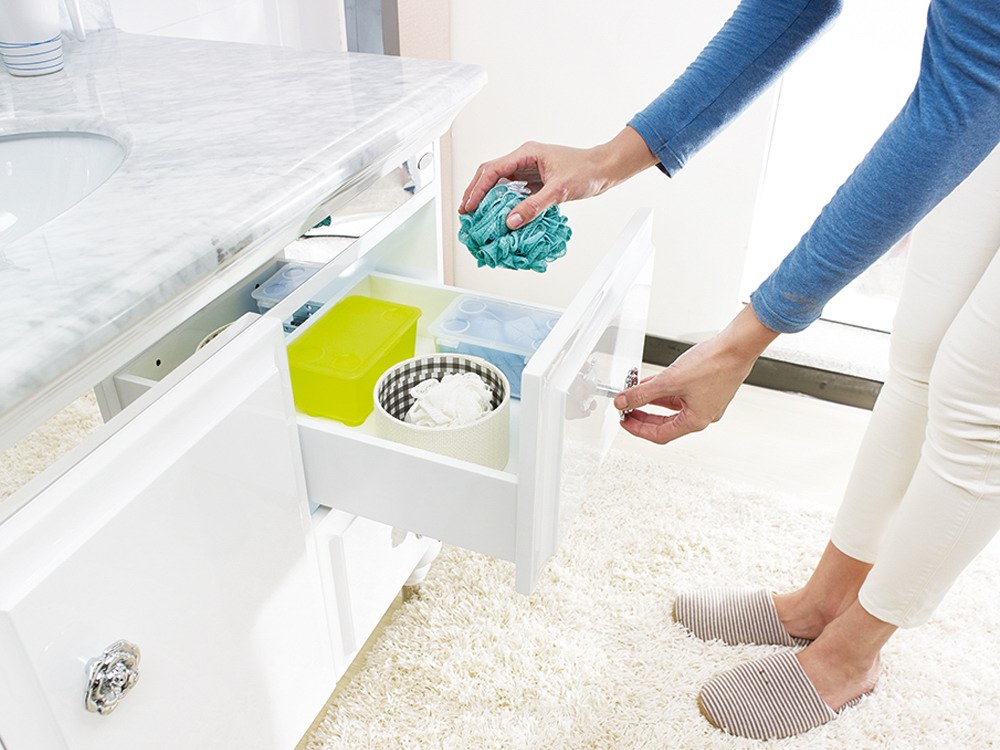
Mid-duty drawers include many of the drawers used constantly in modern homes: kitchen cutlery drawers, everyday pantry drawers, bathroom storage drawers, and mixed-use case goods. Here, the slide should offer not only sufficient load support but also a smoother, quieter, and more refined interaction.
This is often where concealed undermount slides become attractive. They support cleaner aesthetics, integrated soft-close or push-open functions, and a more premium motion feel. For many common household drawers, the functional upgrade matters as much as the raw capacity number.
Heavy-duty selection starts to matter when drawers become larger, wider, deeper, or more heavily loaded. Typical cases include cookware drawers, deep pantry storage, utility drawers, workshop-adjacent furniture, and other zones where concentrated weight is common.
In these applications, two factors rise to the top. The first is true load capacity. The second is structural and running stability under uneven use. A heavy drawer that racks or drags is not successful even if the nominal weight rating looks impressive on paper.
For concealed running, synchronized undermount systems such as DTC's MAGIC-MOVE heavy-duty options are relevant because they pair high load options with coordinated left-right movement. But heavy-duty planning should not stop there. In some projects, a luxury metal drawer system can also be the correct answer, especially when the drawer is part of a complete premium storage unit rather than a simple box on slides.
In kitchen and high-end storage projects, a metal double-wall or luxury drawer system does more than carry weight. It integrates the side structure, running mechanism, and adjustment logic into a more complete assembly. That can improve stiffness, simplify installation, and provide a cleaner interior result.
For example, DTC's official information on the MAGIC-PRO Series describes a luxury drawer system with soft-close or push-open operation, multiple side heights, accessory options such as gallery rails and interior organization, and 40 kg and 60 kg load choices. In the right project, that kind of system is not just a style upgrade. It is a performance solution for demanding storage zones where both load support and drawer structure matter.
For light storage, prioritize proven basic performance and avoid overspecification. For mid-duty household drawers, focus on concealed running, comfort features, and the right balance of refinement and load support. For heavy-duty drawers, evaluate not only the weight number but also drawer width, synchronization, structural rigidity, and whether a full drawer system would solve the problem better than slides alone.
This is where many specification mistakes happen. People compare only kilograms while ignoring the type of furniture being built. But users experience the complete drawer, not the spec sheet in isolation.
A drawer does not experience only the weight of items sitting still. Opening, stopping and closing create movement, and users may pull the front while the contents are unevenly distributed. Start by listing the likely contents, then consider drawer width, depth, frequency of use and how the load is placed. A cutlery drawer, pantry drawer and cookware drawer should not automatically receive the same capacity selection.
| Typical use | Planning emphasis | Practical check |
|---|---|---|
| Light accessories | Smooth movement and easy adjustment | Confirm the box runs square when lightly loaded. |
| Daily kitchen storage | Repeatable closing and alignment | Test with the real organizer and contents. |
| Pots and cookware | Higher capacity and stability | Test the full depth and uneven load. |
| Wide or deep drawer | Capacity plus synchronization | Check both sides under a realistic pull. |
DTC’s MAGIC-MOVE information specifies 40 kg and 60 kg options. SUPER-RAIL is described in the outline as a full-extension soft-close side-mount slide with 45 kg capacity, while MAGIC-MOVE is the hidden undermount option with synchronized full extension. The numbers and mounting formats serve different design conditions. Do not transfer one series’ rating to another or treat a higher number as a reason to overload the drawer box.
The final schedule should record the selected capacity, runner type, drawer dimensions and intended contents. That gives the workshop and installer a shared basis for checking the finished furniture.
For a multi-room project, record capacity by drawer location rather than applying one rating to every unit. Utensil drawers, daily storage drawers and cookware drawers have different contents and different pull patterns. A wide drawer may also need synchronization even when its nominal contents are not especially heavy.
After selecting the slide, confirm that the drawer box, bottom, fasteners and cabinet opening can support the intended load. The runner rating is one part of the system. Clear documentation helps prevent a high-capacity slide from being paired with an unsuitable box or used beyond the conditions for which the furniture was designed.
No. A higher rating can be unnecessary if the drawer is light-duty, and the extra cost may not improve real use.
Drawer width, depth, extension, usage frequency, and how evenly the load is distributed all matter.
When the application is heavy-duty, premium, or structurally demanding enough that the side system, adjustment, and integrated running all add value.
They can serve related categories, but 60 kg is generally more relevant where drawer size or stored weight is clearly higher.
Matching drawer slide load capacity to real furniture use leads to better performance, better cost control, and fewer callbacks. The right choice comes from understanding what the drawer actually needs to do, then selecting a slide or drawer system that supports that job without over- or underspecifying the hardware.
Choosing a much higher load class than the application requires can sometimes complicate the project rather than improve it. Higher-capacity systems may carry added hardware cost, different drawer construction expectations, or a user experience that does not meaningfully benefit a small light-duty drawer. Good specification is about fit, not excess.
That is why project teams often divide drawers by function instead of forcing one heavy-duty standard everywhere. A better-matched mix of side-mount slides, concealed slides, and complete drawer systems usually creates a stronger result for both performance and budget discipline.
Every drawer in a project does not need the same load class, and treating them that way can blur the difference between primary storage and accessory storage. A better strategy is to classify drawers by role first, then choose the load platform that suits each role with the least unnecessary complexity.