2026-08-31
Wall cabinets solve an important storage problem in modern kitchens, but they can also create a daily-use problem. Many homeowners store cups, dry goods, or serving pieces high above the counter, only to find that the cabinet is awkward to open and even harder to reach inside. A side-hinged door can swing into the user's path, and deeper cabinets often force people to lean forward just to reach the back row. In compact kitchens, that friction adds up quickly.
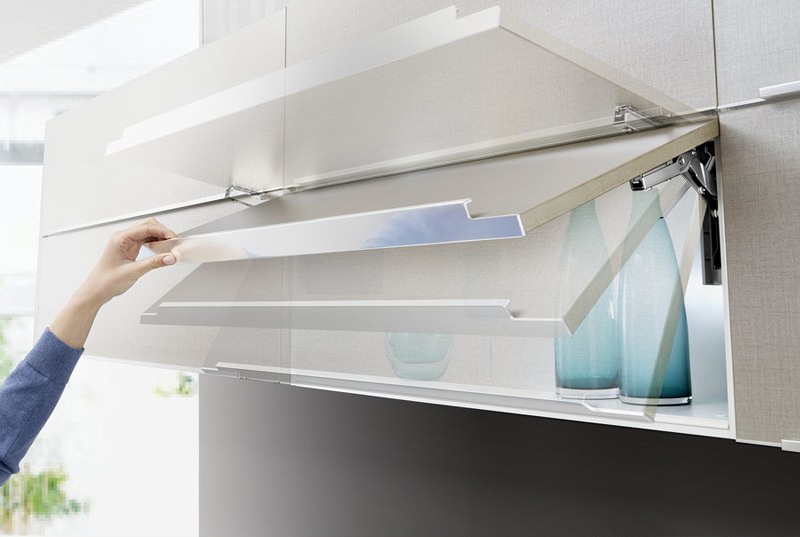
This is why cabinet lift systems have become a more relevant topic in kitchen planning. Instead of opening to the side, the door moves upward and stays clear of the front work zone. That simple change affects more than aesthetics. It changes how people move, how safely they work at the counter, and how efficiently they use upper storage.
A cabinet lift system is a hardware solution designed for upward-opening wall cabinet doors. Rather than relying on traditional side hinges, the mechanism supports the door as it lifts, controls its movement, and helps it close more gently. In practical terms, the goal is not just to make the cabinet look cleaner. The goal is to make the cabinet easier to access in real life.
This matters most in kitchens where wall cabinets are used every day. Coffee mugs, breakfast items, spices, and small appliances are often stored in upper cabinets because they need to stay within quick reach without taking over the countertop. If the door itself becomes an obstacle, the storage is technically available but not truly convenient.
The biggest usability change comes from door movement. A lift-up door rises above the opening instead of projecting sideways into the user's shoulder or face line. That creates more open space directly in front of the cabinet, which is where people actually stand while loading and unloading items.
Accessibility also improves because the opening area becomes visually clearer. When the door is above the cabinet rather than in front of it, the user gets a wider sightline into the interior. That helps when locating items stored on higher shelves or in the back of the cabinet. It is especially useful in family kitchens where multiple users have different heights and different reach ranges.
In many homes, wall cabinets become underused simply because they are inconvenient. A better opening system cannot change the cabinet height, but it can reduce the effort required to use that height effectively. That is often enough to turn a "hard to reach" cabinet into practical everyday storage.
Space efficiency in a kitchen is not only about how many cabinets fit on the wall. It is also about how usable each cabinet remains once installed. A side-hinged wall cabinet may work well on paper, yet feel cramped in use if the door interferes with the counter zone, a nearby tall unit, or adjacent traffic flow.
Lift-up opening styles reduce that front interference. Because the panel travels upward, the area in front of the cabinet remains more open during use. This is valuable in compact kitchens, galley layouts, and open-plan spaces where the counter must support multiple tasks at once.
There is also a workflow benefit. Users can open the cabinet, take out several items, and continue working without the same risk of bumping into an open side door. In a fast-moving kitchen routine, that is a meaningful improvement. Better movement around the cabinet often feels like better storage, even when the cabinet size itself has not changed.
When specifying a lift mechanism, the most important question is not whether the system sounds advanced. It is whether the performance fits the cabinet's actual job. Several factors matter more than buzzwords.
Opening angle affects how visible and reachable the stored items become. Holding stability matters because users should not have to support the door by hand while using both hands to remove items. Closing control matters because a wall cabinet door should shut smoothly rather than drop abruptly. Installation and adjustment also matter because even good hardware can perform poorly if alignment is difficult.
For project teams, the best lift system is the one that balances daily usability with reliable installation. In other words, the hardware should help both the end user and the installer.
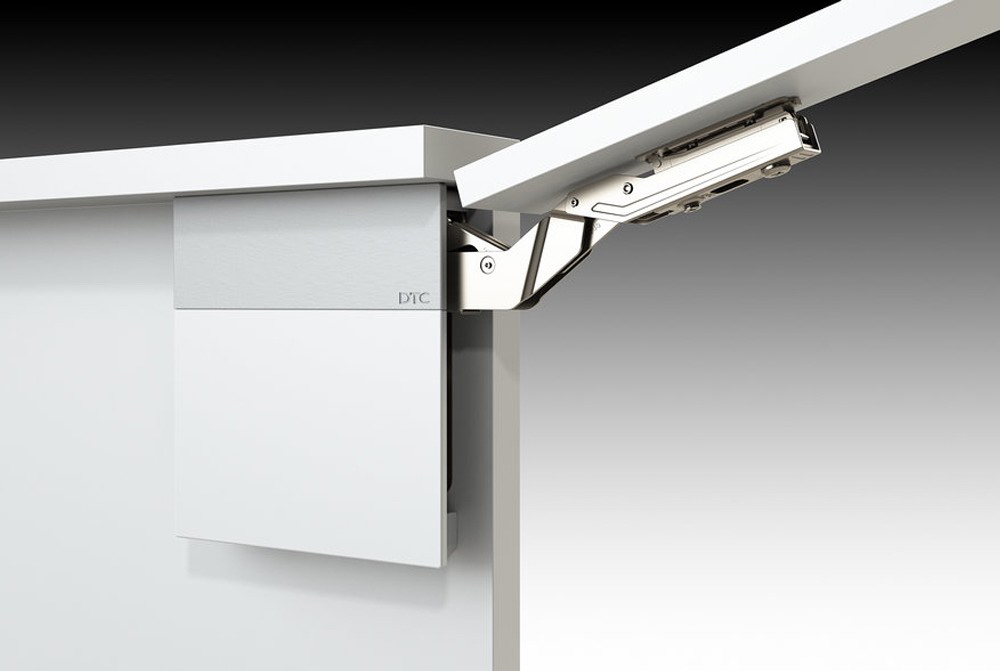
According to DTC's official product information, the TOP-STAYS SQ Series is designed for single lift-up doors on wall cabinets and high cabinets. The series offers a 107 degree opening angle, adjustable opening force, adjustable hovering force, and adjustable closing speed. It also uses snap-fit installation and supports 3D adjustment for height, side position, and depth. Decorative cover caps are available in single-color and dual-color versions.
Those details matter because they map directly to the practical concerns above. A wide opening angle supports easier access. Adjustable hovering force helps the door stay where it needs to stay. Adjustable closing speed helps refine the shut action based on the panel. Snap-fit installation and 3D adjustment help installers reach a cleaner final alignment without excessive rework.
The important point is not that every kitchen needs a lift system. The important point is that wall cabinets used in tight, active kitchens often benefit from one, especially when head clearance, reach convenience, and movement efficiency are recurring concerns.
Lift systems tend to make the most sense in upper cabinets above preparation counters, breakfast stations, and appliance garages. They are also useful where side-opening doors might conflict with nearby tall units or where several users share the space throughout the day.
In minimalist kitchens, the lift-up format can support a cleaner visual rhythm, but the stronger reason to choose it is function. If a cabinet is opened frequently and the user regularly stands close to the counter while accessing it, an upward opening motion can simply work better.
An upward-opening door does not make every wall cabinet accessible by itself. Shelf height, cabinet depth, countertop clearance and the user's reach still need to be planned together. The lift mechanism should be selected after the door material and approximate weight are known, because opening force and hovering force must suit the finished panel. A cabinet maker should also confirm that the door can travel through its full path without meeting a ceiling, light fitting or adjacent tall unit.
| Planning question | Why it matters |
|---|---|
| Where does the user stand? | Confirms that the open door clears the active work zone. |
| What is the door size and weight? | Determines the adjustment range required for controlled movement. |
| How deep is the cabinet? | Affects visibility and the value of the 107° opening angle. |
| How often is it used? | Helps prioritize stable hovering and controlled closing. |
For a custom project, the installer experience affects the final user experience. A mechanism that can be snap-fitted and adjusted in three directions makes it easier to correct the height, side position and depth after the door is mounted. This matters when a bank of cabinets must share consistent reveals. It also gives the team a practical way to tune the result on site rather than relying only on factory assumptions.
The TOP-STAYS SQ Series should therefore be evaluated as a lift-up support for a defined door condition. DTC describes it for single lift-up doors on wall and high cabinets, with a 107° opening angle, adjustable opening force, hovering force and closing speed. The series is also described for kitchen, living room, office and bathroom applications. These are useful specification facts; they should be checked against the actual panel and cabinet drawing before ordering.
The most useful benefit of a cabinet lift system is clearer access in the space directly in front of the cabinet. It can reduce interference from a side-opening door and make the opening easier to see into, but it does not replace sensible shelf planning or safe reach limits. When the cabinet layout, door weight and adjustment range are considered together, the lift-up format becomes a practical accessibility decision rather than a decorative upgrade.
No. They are more common in higher-spec projects, but the real decision should be based on usability. If an upper cabinet is awkward with a side-opening door, a lift system may be justified regardless of style category.
Yes. A larger opening angle usually improves visibility and makes it easier to reach stored items, especially near the back of the cabinet.
Because users often need both hands to remove dishes, containers, or small appliances. A door that stays stable during use creates a safer and more comfortable workflow.
No. DTC positions the series for wall cabinets and high cabinets in kitchens as well as related storage applications in living, office, and bathroom settings.
Cabinet lift systems improve wall cabinet usability by changing how the door behaves in the space people actually use. They can reduce interference, improve access, and help upper cabinets contribute more effectively to daily kitchen workflow. For projects where reach convenience and counter clearance matter, a lift-up mechanism is not just a design feature. It is a practical hardware choice.